Alpine Botanical Wellness

Educational insights into natural botanical sources and men's vitality after 40

Educational content only. No promises of outcomes.

Basics of Vitality After 40

As men age, nutritional needs shift. General nutritional science recognizes that metabolic changes occur over time, affecting how the body processes dietary components. Understanding age-related shifts in nutrition provides context for informed everyday dietary choices.

This educational overview explores how plant-derived elements fit into the broader conversation about balanced nutrition for men in their later decades. The relationship between botanical compounds and general wellness is a subject of ongoing scientific inquiry.

Individual responses to dietary approaches vary significantly. Factors including genetics, lifestyle, activity levels, and personal health history all influence how specific nutritional patterns may support overall vitality.

Key Botanical Sources from Alpine Regions

Mountain Herbs

Swiss alpine regions host diverse botanical species adapted to high-altitude conditions. These plants have been traditionally valued in European wellness practices for centuries, representing a rich cultural heritage of herbal knowledge.

High-altitude plants develop unique characteristics to thrive in challenging environments, producing compounds that reflect their adaptation to extreme conditions.

Native Flora

The botanical diversity of Swiss mountains includes species with distinct nutrient profiles. Traditional herbalism has long recognized these plants as sources of micronutrients and plant compounds relevant to everyday nutrition.

Understanding these plants from a scientific perspective helps contextualize their historical and contemporary roles in wellness discussions.

Seasonal Elements

Alpine plants follow natural seasonal cycles, with availability and nutrient composition varying throughout the year. This natural rhythm connects to broader principles of cyclical nutrition and seasonal dietary practices observed across cultures.

Seasonal variation in plant compounds reflects environmental factors and growing conditions unique to high-altitude ecosystems.

Natural Nutrient Profiles

Plant-derived micronutrients serve various roles in human metabolism. The following table presents general information about selected plant compounds and their recognized nutritional context:

Plant Compound Alpine Source General Function Dietary Context
Polyphenols Mountain berries, herb leaves Antioxidant activity in general metabolism Found in varied plant-based foods
Flavonoids Alpine flowers, wild plants Support cardiovascular function in general terms Common in fruits, vegetables, herbs
Mineral compounds High-altitude soil flora Essential for metabolic processes Balanced nutrition approach
Plant alkaloids Swiss medicinal herbs Recognized in traditional herbal systems Historical and contemporary use
Note: This table presents general educational information about plant compounds. Individual responses vary, and this is not personalized nutritional guidance. Consult qualified professionals for individual dietary planning.

Alpine Herbal Traditions

Switzerland has a rich history of herbal knowledge, with traditional practices reflecting centuries of observation and cultural transmission. Alpine communities developed sophisticated understanding of local botanical resources for everyday wellness.

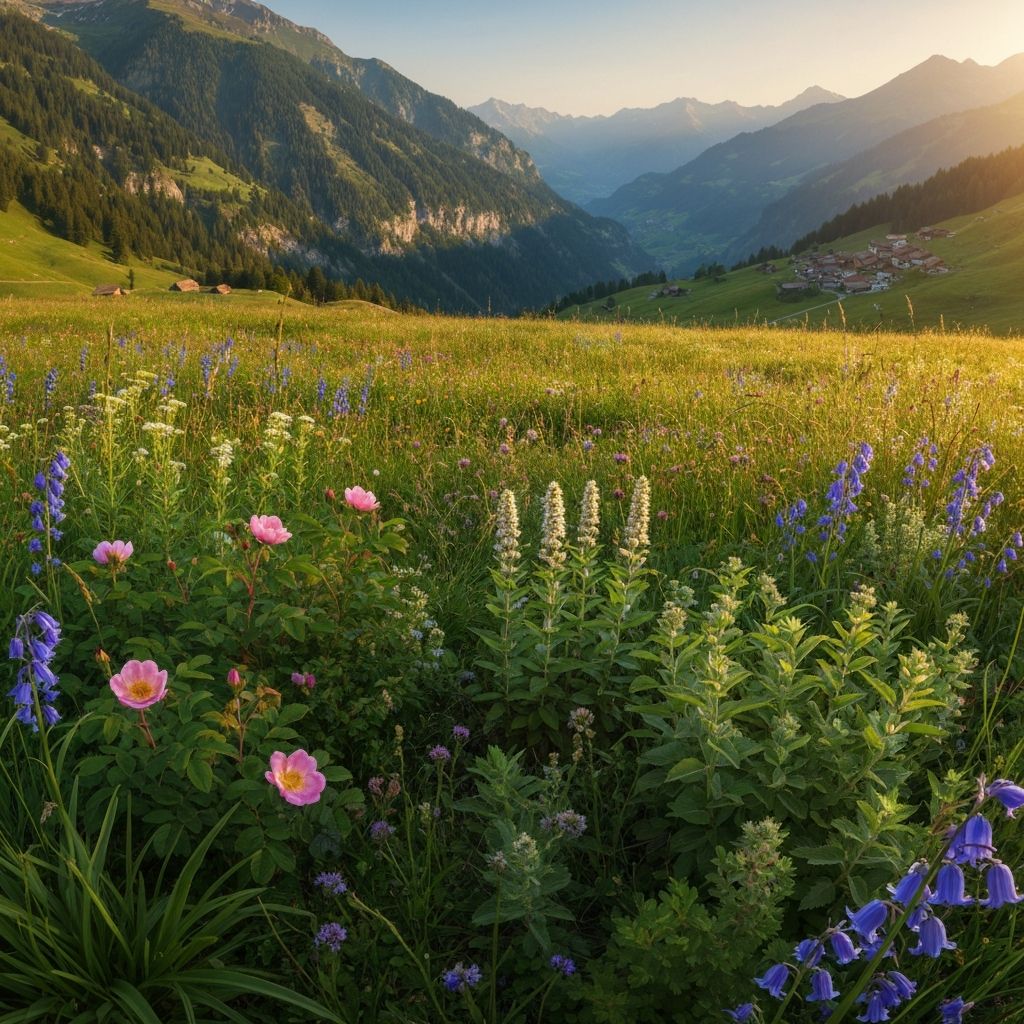
Swiss alpine meadow with traditional medicinal herbs in natural habitat

Historical Context

European herbalism traditions documented the use of alpine plants for various purposes. These historical practices provide a foundation for modern scientific investigation into plant-based nutrition.

Swiss monks, herbal practitioners, and local communities maintained detailed knowledge of regional plants, their properties, and seasonal availability.
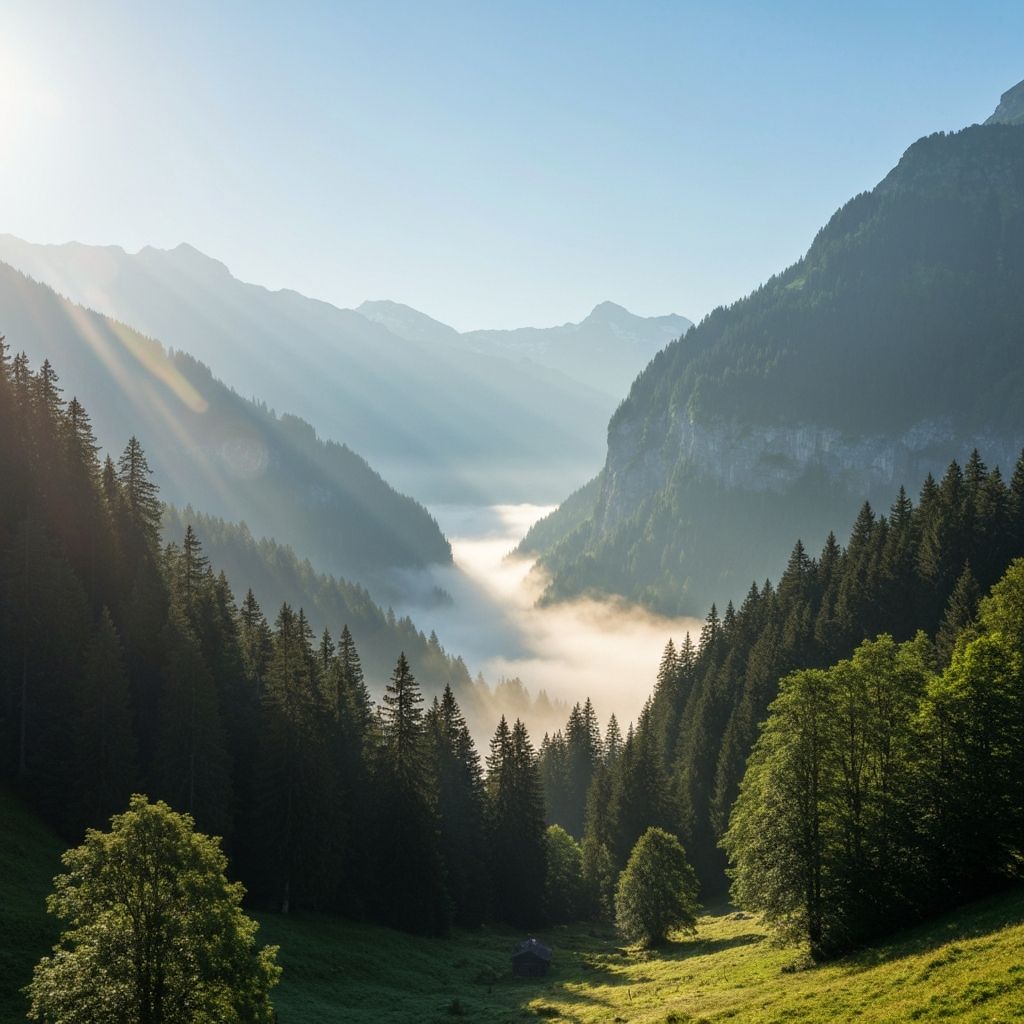
Swiss Alps landscape with high-altitude botanical elements

Cultural Heritage

The preservation of herbal knowledge across generations represents a valuable cultural asset. Understanding historical plant use provides context for contemporary nutrition science research.

Modern research increasingly validates aspects of traditional herbal practices, establishing scientific frameworks for understanding plant compounds and their general metabolic roles.

Lifestyle & Environmental Interplay

Swiss mountain environment with natural daylight and wellness elements

Overall vitality stems from multiple interconnected factors beyond nutrition alone. Sleep quality, physical activity, stress management, and environmental exposure all influence general wellness.

Alpine environments, known for clean air and natural light exposure, provide optimal conditions for general well-being. The interplay between dietary choices and lifestyle factors creates the foundation for sustainable health practices.

Understanding how nutritional approaches integrate with broader lifestyle elements helps contextualize the role of botanical nutrition within comprehensive wellness strategies.

Research Overview

Scientific literature increasingly examines plant-derived compounds and their roles in human nutrition. Observational studies and nutritional research document associations between plant-based diets and various health markers in general populations.

Studies on alpine botanical elements remain ongoing, with researchers exploring mechanisms of action, bioavailability, and individual variation in response. This research contributes to evidence-based nutritional frameworks.

It is important to note that individual results vary significantly, and the presence of published research does not equate to guaranteed personal outcomes. Each person responds differently to dietary modifications based on their unique circumstances.

Common Belief Clarifications

Myth vs. Reality

Plant Compounds in Metabolism

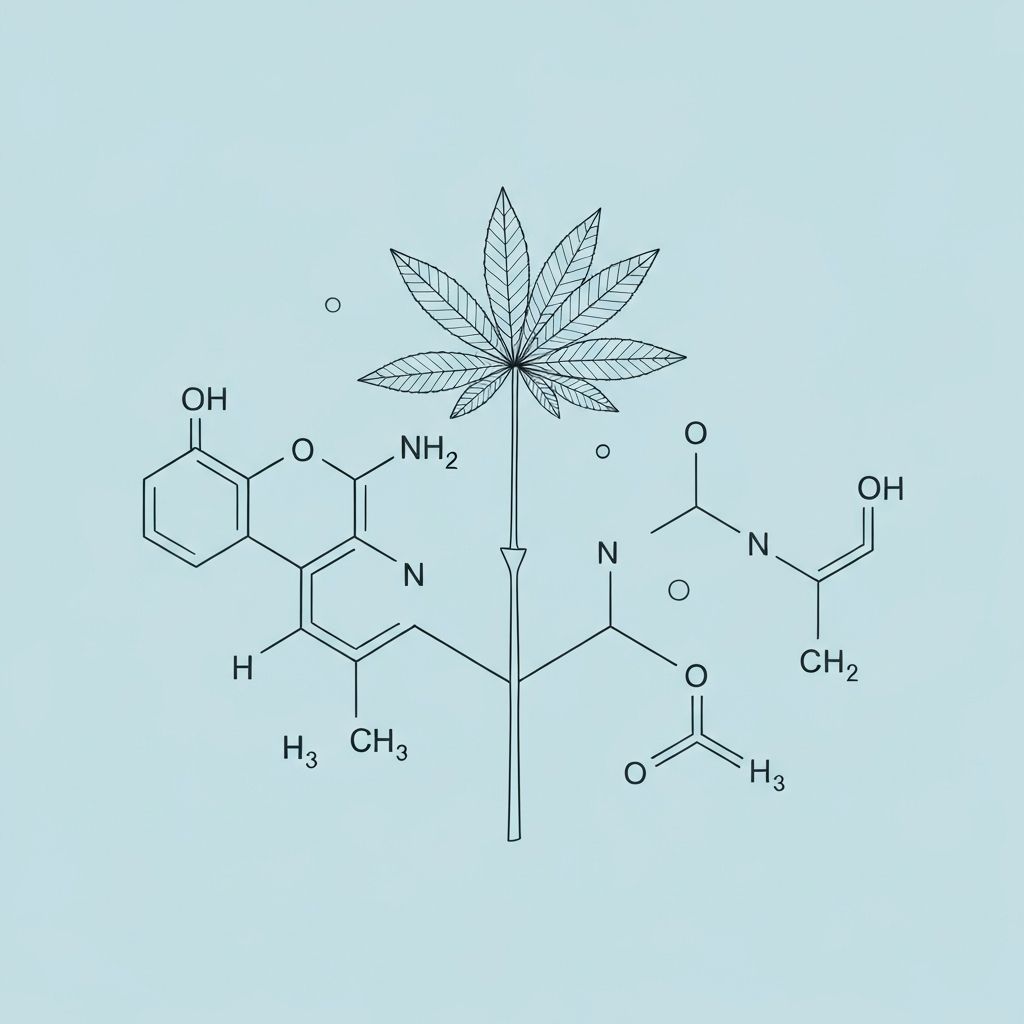
Plant compound molecular structure and botanical microstructure illustration

Biochemical Context

Plant compounds interact with human biochemistry through recognized metabolic pathways. Polyphenols, flavonoids, and other plant elements engage with cellular processes in ways that science continues to elucidate.

Understanding how botanical elements function at the molecular level provides scientific grounding for traditional herbal knowledge. Bioavailability—how effectively the body absorbs and utilizes these compounds—varies based on multiple factors.

Natural Cycles and Wellness

Seasonal changes and circadian rhythm concept in alpine landscape

Circadian and Seasonal Rhythms

Human physiology operates within natural cycles influenced by light exposure, temperature, and seasonal availability of nutrients. Alignment with these natural rhythms supports general metabolic health.

Seasonal eating practices connect to this biological principle—consuming foods available during particular seasons may offer nutritional advantages aligned with seasonal body physiology.

Research on chronobiology demonstrates that timing of nutrient intake, sleep-wake cycles, and physical activity all influence how the body processes and utilizes dietary components.

Individual Response Diversity

A fundamental principle in nutrition science is the recognition that individuals respond differently to identical dietary interventions. Genetic polymorphisms, gut microbiota composition, metabolic rate, and lifestyle factors all create substantial variation in personal outcomes.

What supports vitality for one person may produce different results for another. This diversity is not a flaw in nutritional science but rather reflects the complexity of human biology.

Educational platforms emphasize this principle to ensure realistic expectations: while botanical nutrition offers evidence-based potential benefits, personal results cannot be guaranteed and professional guidance remains essential for individual health planning.

Additional Resources

Recommended Reading

Continue Your Educational Journey

Explore our comprehensive resources to deepen your understanding of Alpine botanical wellness and nutritional science for men over 40.

Learn More